
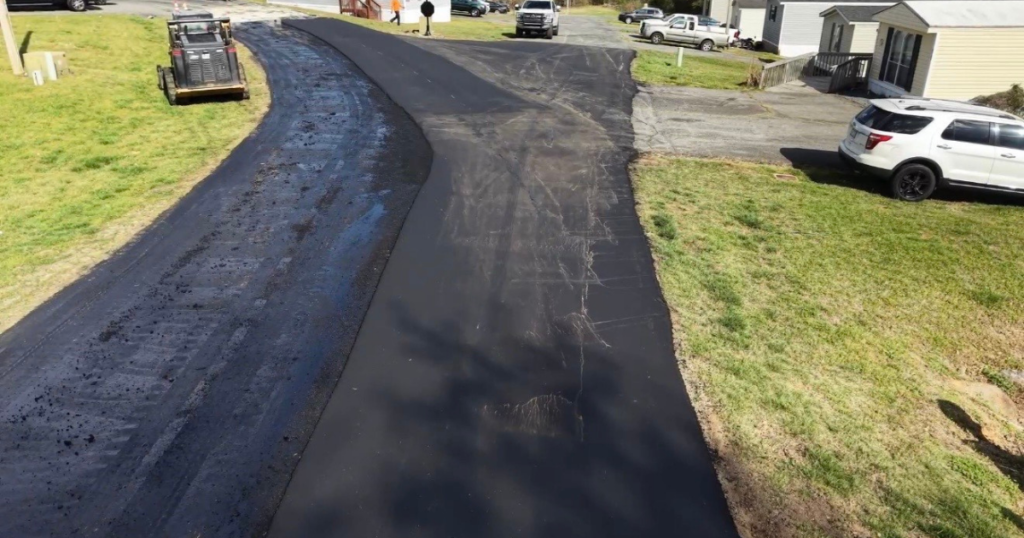
When you drive down a smooth road or park your car in a well-maintained lot, you’re interacting with a marvel of engineering that’s far more complex than it appears. Beneath that seemingly simple black surface lies a carefully constructed system of layers, each with a specific purpose, and each layer often utilizes a different asphalt mix type. Choosing the right asphalt mix types for each layer is paramount for ensuring your pavement’s longevity, durability, performance, and cost-effectiveness. It’s not a one-size-fits-all solution; different conditions, traffic loads, and environmental demands necessitate specialized asphalt blends.
Choosing the Right Asphalt Mix: Key Considerations
Selecting the optimal asphalt mix type is a complex decision that impacts the longevity, cost, and environmental footprint of any paving project. Key factors to consider include:
Traffic Volume and Load
High-traffic areas with heavy trucks require robust, rut-resistant mixes with thicker base and binder layers. Lower traffic areas might perform well with less base and binder with a heavier focus on the aesthetic appeal of surface course asphalt.
Climate and Environmental Conditions
Extreme temperatures (hot or cold) influence binder selection. Areas with significant rainfall might benefit from porous asphalt for stormwater management, while regions with freeze-thaw cycles need mixes designed for thermal crack resistance.
Project Scope and Budget
Large-scale highway projects might justify the higher initial cost of SMA for its extended lifespan, while smaller driveways or temporary repairs benefit from the cost-effectiveness of dense-graded HMA or CMA.
Performance Requirements
Is the priority skid resistance, noise reduction, or water permeability? Each mix type excels in different areas.
The Structural Core: Asphalt Base and Binder Course Mixes
The terms asphalt base course and binder course asphalt are often used to describe load-bearing asphalt layers beneath the final surface. While sometimes used interchangeably, they both serve a critical structural purpose:
Purpose
These layers act as a “bridge” between the aggregate base and the surface layer, transmitting traffic loads downwards and distributing them over a wider area. They provide the bulk of the pavement’s structural strength, offering stability and significant resistance to deformation, rutting, and cracking.
Composition
Binder & Base course asphalt typically consist of coarser aggregate mix, meaning a higher proportion of larger stone particles (often up to 1 inch). This larger aggregate provides strength and stability. Critically, these mixes also contain a higher asphalt bitumen content than surface layers, enhancing their binding properties and durability.
Thickness
Generally, these asphalt base and binder layers are thicker than the final surface layer, contributing significantly to the overall depth of the pavement. Typical thicknesses can range from 2 to 4 inches (50-100 mm) or more, depending on project specifications and expected traffic loads.
In essence, these asphalt layers are the unsung heroes of a pavement, working tirelessly beneath the surface to ensure the road remains stable and resilient.
The Wear Layer: Asphalt Surface Course Mixes
The surface course asphalt, also known as the “wearing course,” “topcoat,” or “wear layer,” is the part of the pavement you see and drive on every day. It’s designed for both performance and aesthetics.
Purpose
This is the final protective layer, engineered to provide a smooth, safe, and comfortable riding surface. Surface course asphalt has better skid resistance, ensuring good traction for vehicles, especially in wet conditions. Surface asphalt protects and shields the underlying base and binder layers from weather elements (UV radiation, water infiltration) and the direct wear and tear of traffic. Some specialized surface mixes can help reduce tire noise. Lastly, and most importantly, surface course is aesthetically more pleasing than base and binder, offering a visually appealing and uniform finish.
Composition
Unlike the binder course, the surface course uses a finer aggregate mix with smaller stone particles. This allows for a tighter, smoother texture. It typically has a slightly lower bitumen content than the binder course, optimized for surface properties rather than bulk strength.
Thickness
The surface course asphalt is the thinnest of the asphalt layers, usually ranging from 1 to 2 inches thick. A properly designed and constructed surface layer is crucial for driver safety and the overall perceived quality of the road.
Building Durable Pavement Designs with the Crown Paving
The world of asphalt is dynamic, constantly evolving with innovations like bio-based binders, smart asphalt technology, and cool pavement solutions. Crown Paving, as members of groups like the National Asphalt Pavement Association, and regular attendees of industry shows like PaveX, NPE, and ConExpo, remains at the forefront of advancements in mix designs.
From the foundational support and structural integrity of the base and binder asphalt to the performance-driven qualities of the surface course asphalt, Crown Paving analyzes each layer as a critical piece of the puzzle. By carefully selecting the right blend of aggregates, bitumen, and production methods, Crown Paving constructs pavement designs that are not only durable and long-lasting but also safe, cost-effective, and suited to your specific environment.
Crown Recommendation:
Photograph drainage issues immediately after heavy rain to help identify problem areas before they become major pavement failures. Keeping a visual record over time also helps property managers track deterioration and plan repairs proactively instead of reacting to costly damage later.