Published · Updated

How Weather Damages Asphalt Pavement
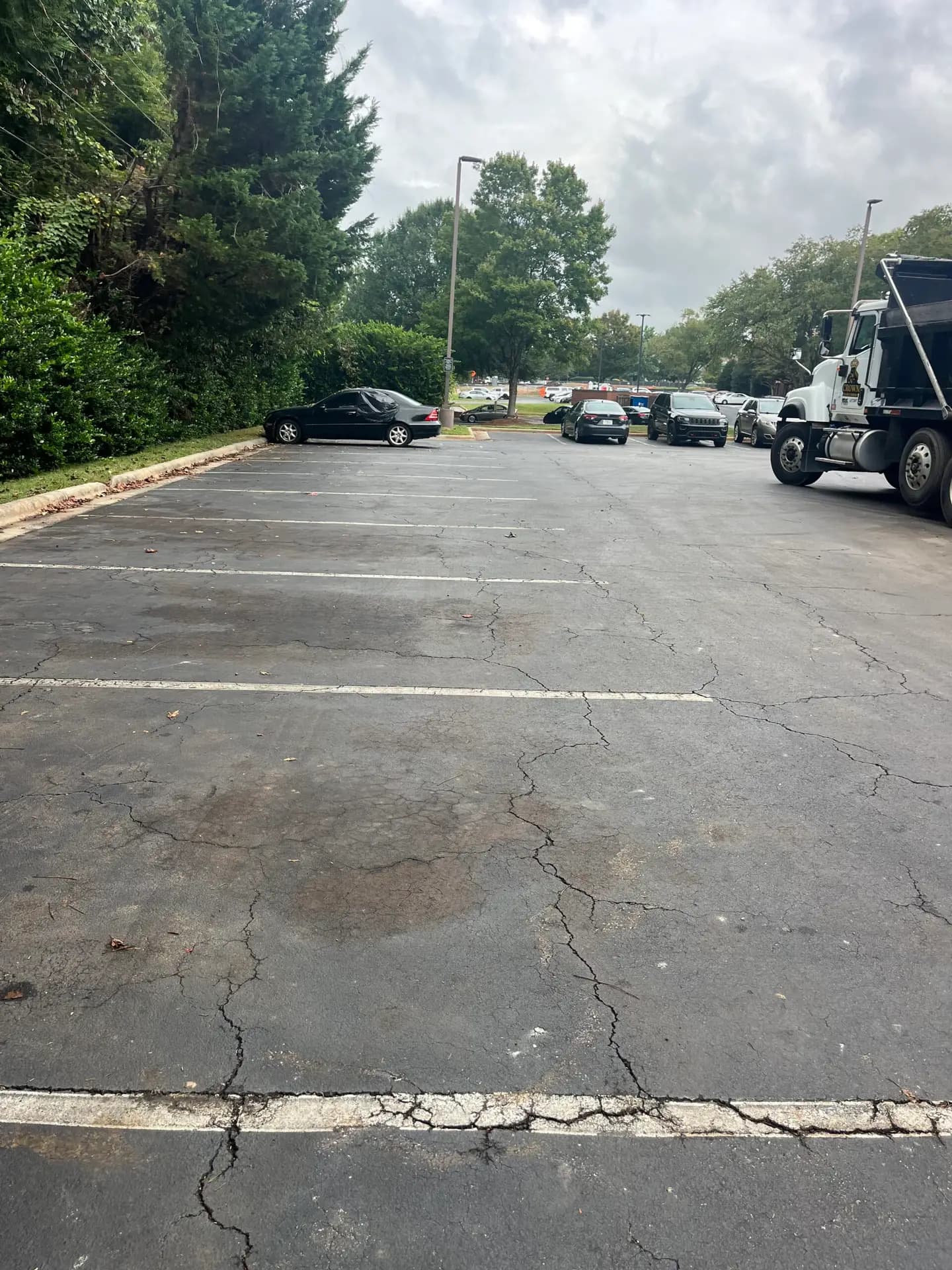
The sun’s relentless ultraviolet rays trigger oxidation. This causes the surface to become brittle, fade in color, and lose its essential oils. Water, snow, and ice are notorious adversaries of your asphalt. When rain and snow penetrate unprotected asphalt, especially through tiny fissures, it can undermine the foundational layers, leading to erosion, voids, and ultimately, structural failures like potholes and extensive “alligator” cracking, which is asphalt patching work once it reaches that stage. In regions experiencing freeze-thaw cycles, trapped water expands when frozen, exacerbating cracks and causing further upheaval. Keeping water out in the first place is what seal coating and crack filling is for.
How Oil, Gasoline, and Chemicals Damage Asphalt
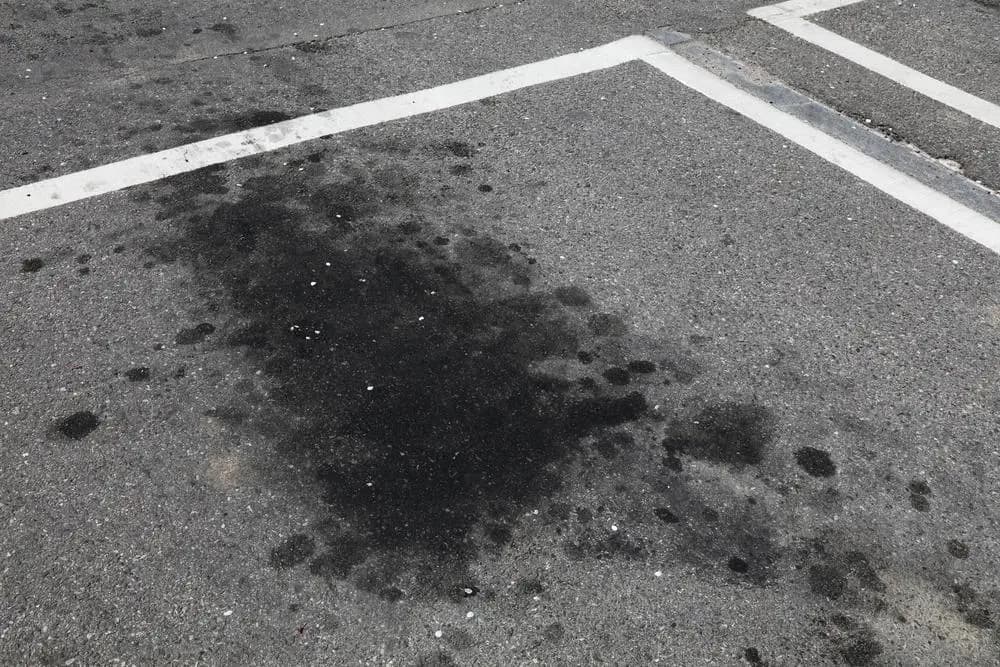
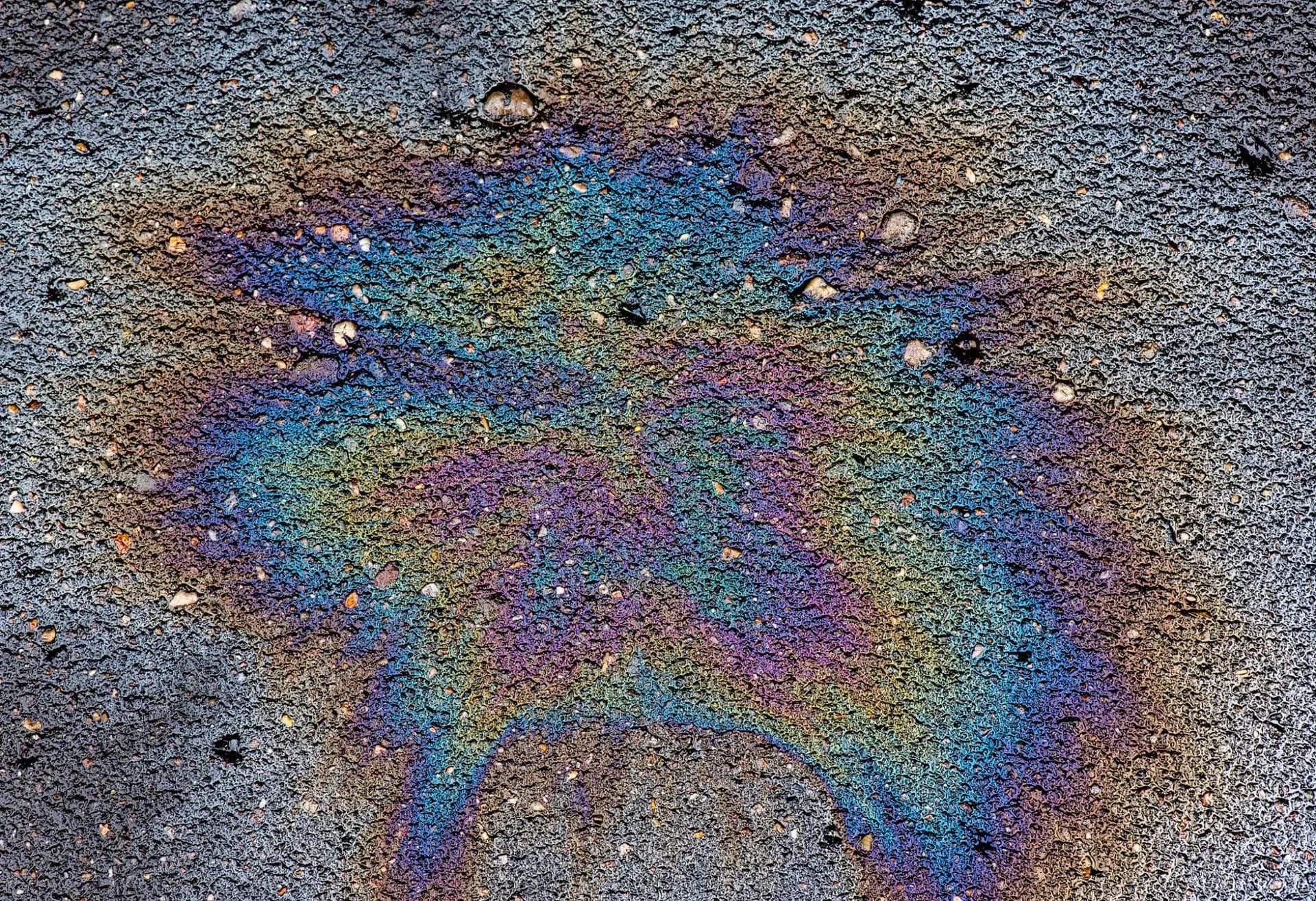
Motor oil, gasoline, and diesel are petroleum-based products, much like the binder in asphalt, and when they spill onto your lot, they act as solvents. Think of it like trying to clean oil paint with turpentine: the turpentine dissolves the paint because they have similar chemical properties. When antifreeze spills on asphalt, it can draw moisture into your asphalt. Antifreeze is hygroscopic, meaning it has a strong affinity for water and readily absorb moisture from the environment. This is problematic because the presence of antifreeze can facilitate water’s entry and retention: asphalt’s number one enemy. Where water is collecting rather than draining, the problem is usually drainage rather than the surface.
How Traffic Wear and Heavy Loads Cause Asphalt Failure
The weight of the vehicle is pushing down on your already compacted asphalt, inadvertently trying to compact the material further. Unfortunately, it’s not just a straight push; as the tire rolls, it also creates a shearing force. Think of it like trying to drag your hand across a sticky surface: that side-to-side force tries to tear the asphalt apart, especially at the surface. Without intervention, these factors collectively transform minor surface imperfections into significant hazards and costly structural damage. Once the damage is no longer isolated, resurfacing is the repair, not more patching.