
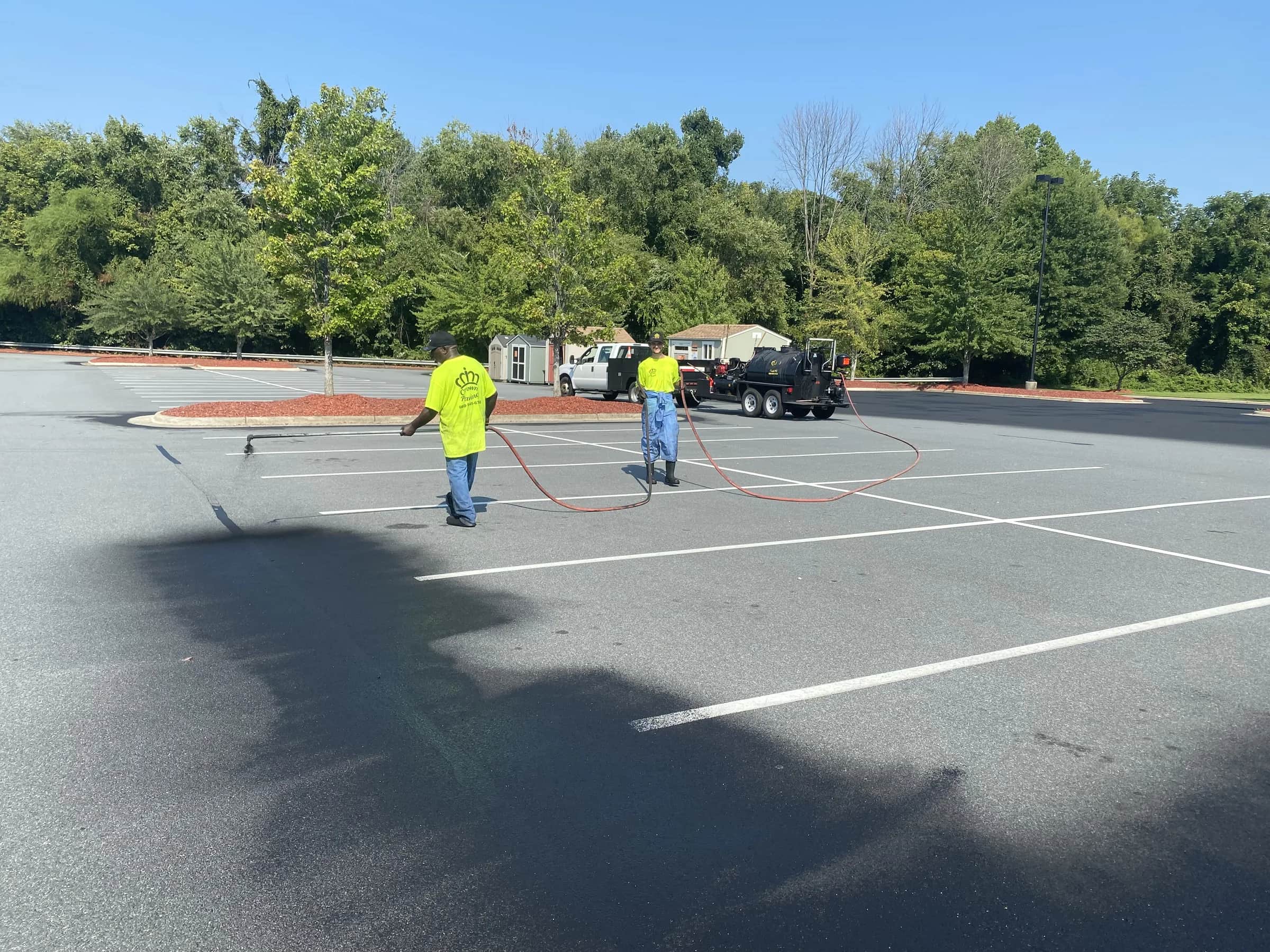
Asphalt Seal Coating & Crack Filling
Your pavement is an investment. Crown Paving’s seal coating and crack filling services help preserve its appearance, maximize its lifespan, and reduce long-term maintenance costs.
What Is Asphalt Seal Coating & Crack Filling?
Asphalt seal coating is a preventative maintenance process that involves applying a protective layer over your asphalt surface. This shields the pavement from UV rays, water penetration, and oxidative damage, extending its lifespan and maintaining its appearance. Asphalt crack filling involves sealing cracks in asphalt surfaces to prevent water intrusion.
When Should You Do Asphalt Seal Coating & Crack Filling?
You should seal coat asphalt every 2-3 years when the pavement is structurally sound but showing surface wear. Crack filling should be performed as soon as cracks appear, typically during mild weather conditions, to prevent them from expanding and causing more severe damage.
Why Should You Do Asphalt Seal Coating & Crack Filling?
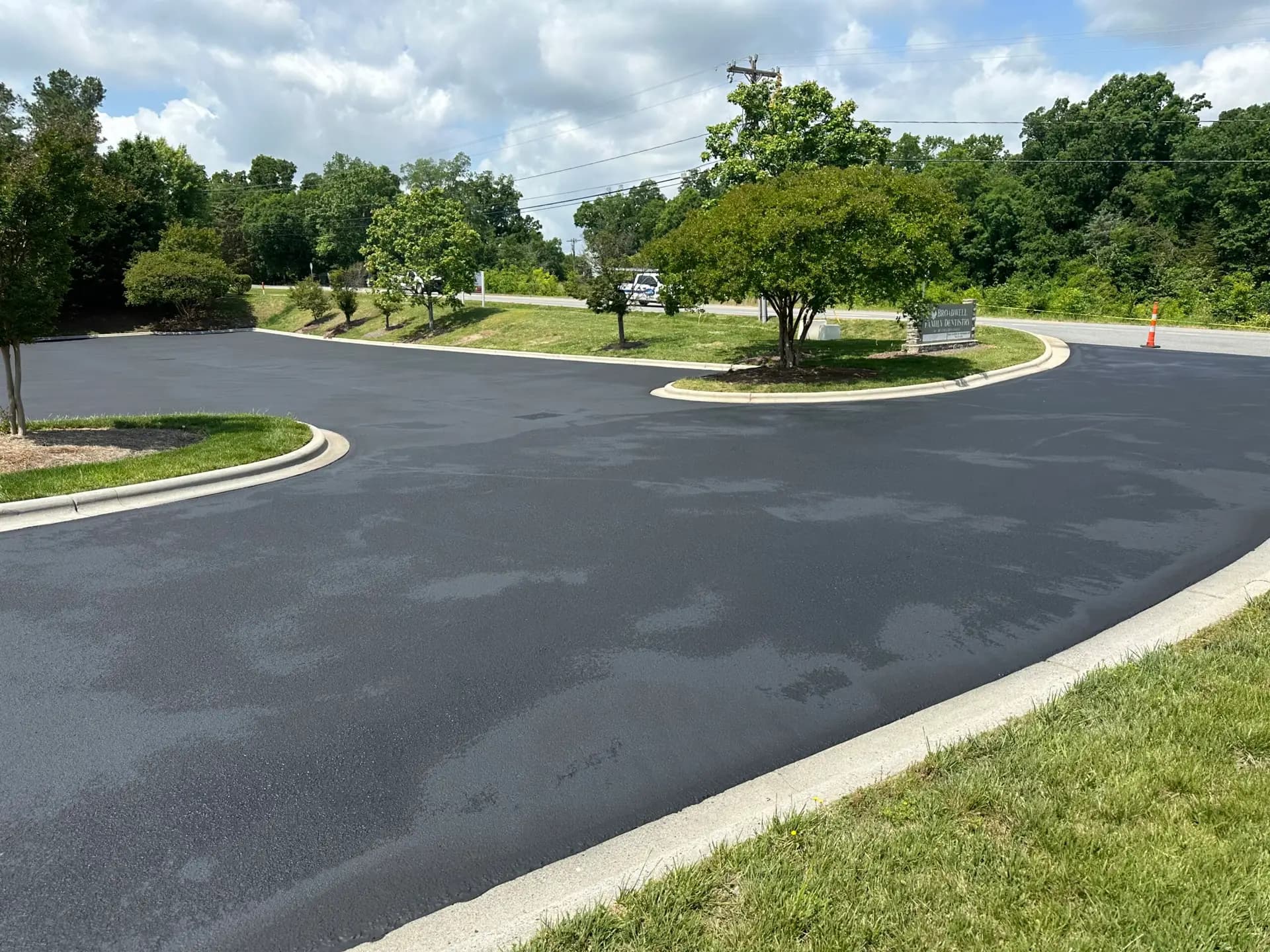
Seal coating and crack filling protect against environmental damage, improve appearance, seal minor surface imperfections, prevent water and debris from entering cracks, maintain pavement integrity, and reduce the likelihood of more costly repairs.
Why Choose Crown Paving for Asphalt Seal Coating & Crack Filling?
Equipment Standards
Crown Paving’s fleet of varying seal coat tank sizes and trucks ensures easy access. Our advanced seal coating and crack filling equipment guarantees smooth and even applications. Our commitment to using cutting-edge technology ensures that your asphalt receives the best protection available.
Material Standards
We use premium quality sealants that meet industry specifications, ensuring durability and long-lasting protection. More importantly, governing bodies change regulations and restrict certain materials. Not all contractors are familiar with which materials are permissible, Crown Paving does the due diligence to protect you from fines or penalties.
Phasing
Unlike a resurfacing or patching project, seal coating’s success is heavily reliant on the cure time. When working with Crown Paving, we consider exits and entrances, tenant and client access, deliveries, and busier traffic times when building our phase maps. All phase maps will be presented to clients with aerial illustrations depicting exactly where each phase will start and stop, giving you ample time to notify tenants, residents, etc. to mitigate inconvenience and avoid negatively impacting the integrity of the seal coat.
How Often Should a Commercial Parking Lot Be Seal Coated?
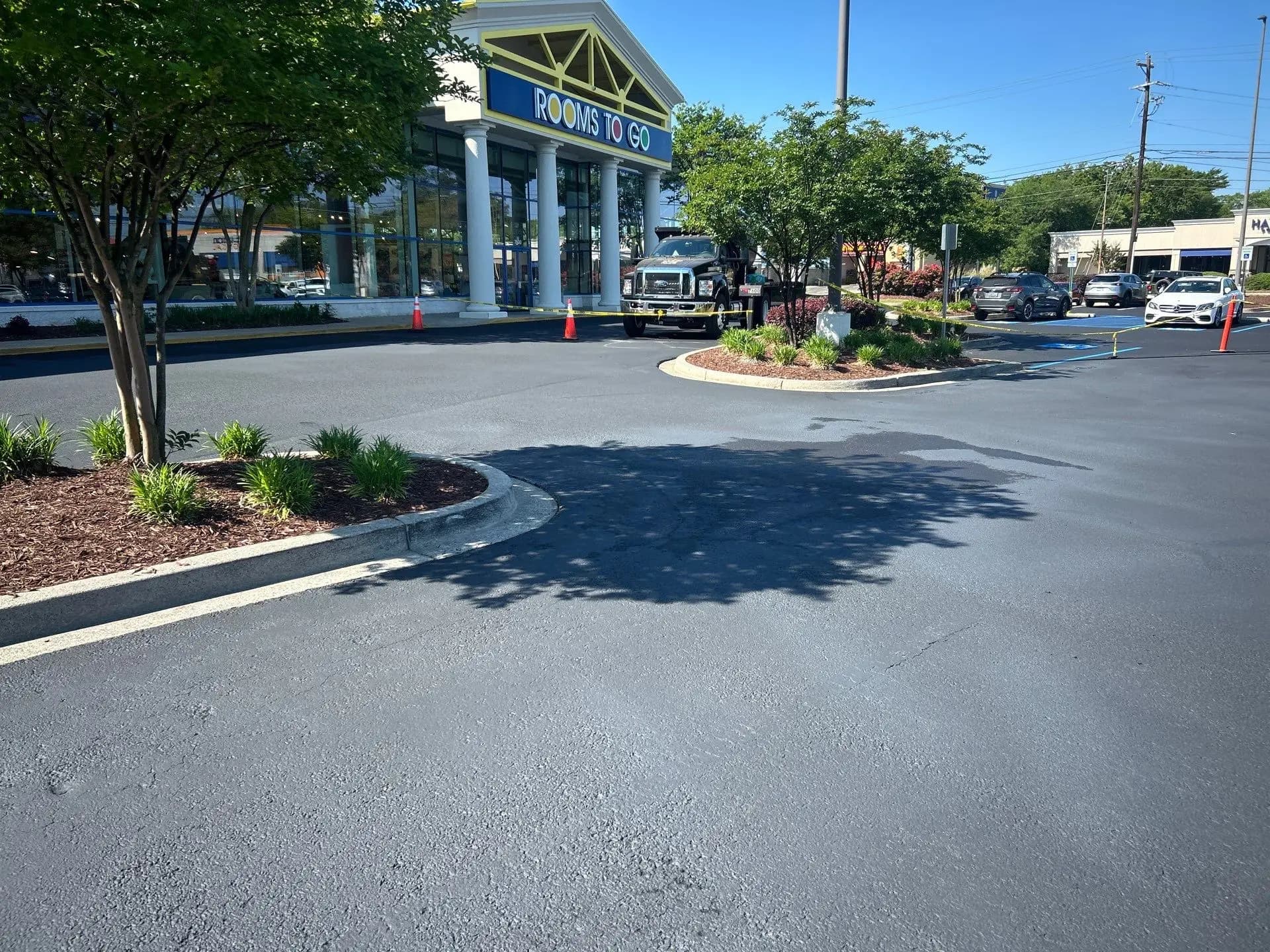
Crown Paving recommends seal coating every 2 to 3 years. It suits lots and roadways showing signs of wear that are still structurally sound. Crack filling runs on a different schedule: cracks should be filled as soon as they appear, typically during mild weather, before they widen and let water reach the base.
How Long Before You Can Drive on a Freshly Seal Coated Lot?
Maintenance applications need 24 to 48 hours of drying time before the surface is ready for vehicle traffic. Conditions can extend that, and Crown Paving will always communicate the recommended waiting period and the factors that might lengthen it. Phase maps with aerial illustrations are issued before work starts, showing exactly where each phase begins and ends, so tenants and residents can be notified in advance.
Do Cracks Have to Be Filled Before Seal Coating?
Yes. Seal coat is a surface treatment and does not fill structural cracks, so existing cracks and potholes have to be cleaned and filled first. Without that step the sealant cannot adhere correctly, and water keeps reaching the base through a crack the seal coat has only covered over. See The Critical Role of Crack Filling.
What Happens If Traffic Goes On Too Soon?
Four things, and every one of them costs more than the wait. The material does not bond properly, so it wears away quickly. Sticky residue tracks onto vehicles and shoes, staining pavement and drawing complaints. Soft or gummy areas hold tire impressions, especially where there is shade or little airflow. And the seal coat can blister or peel where mechanical stress arrives before it has fully adhered and hardened. Full guidance: Seal Coating Best Practices.
How Much Life Does Crack Filling Add?
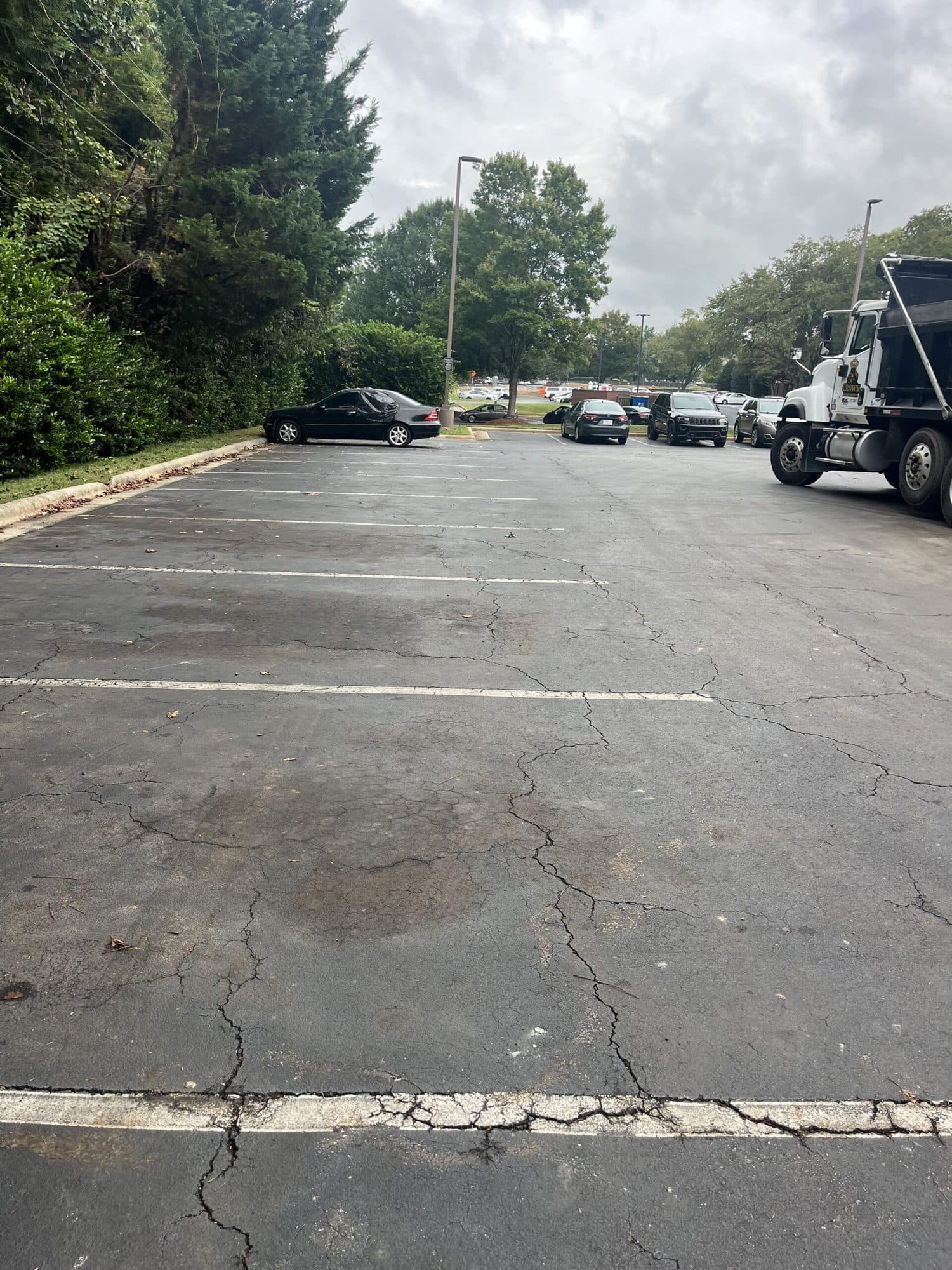
Proactive crack sealing can extend the life of asphalt by 3 to 7 years, delaying the cost of resurfacing or reconstruction. It works by creating a watertight seal that stops water, debris and other damaging elements reaching the sub-layers, and by stopping existing cracks widening into alligator cracking.
Is Seal Coating a Capital Expense or an Operating Expense?
An operating expense, in most cases. Routine seal coating and crack filling carried out on a regular, anticipated schedule, which by definition falls more than once in a 10-year period, is expensed rather than capitalized under IRS guidance. See Understanding Commercial Parking Lot Expenses, and confirm the treatment with your own tax advisor.
Ready to Start Your Project?
Request an estimate and tell us about your property, pavement condition, schedule, and bid documents.
Request an Estimate