
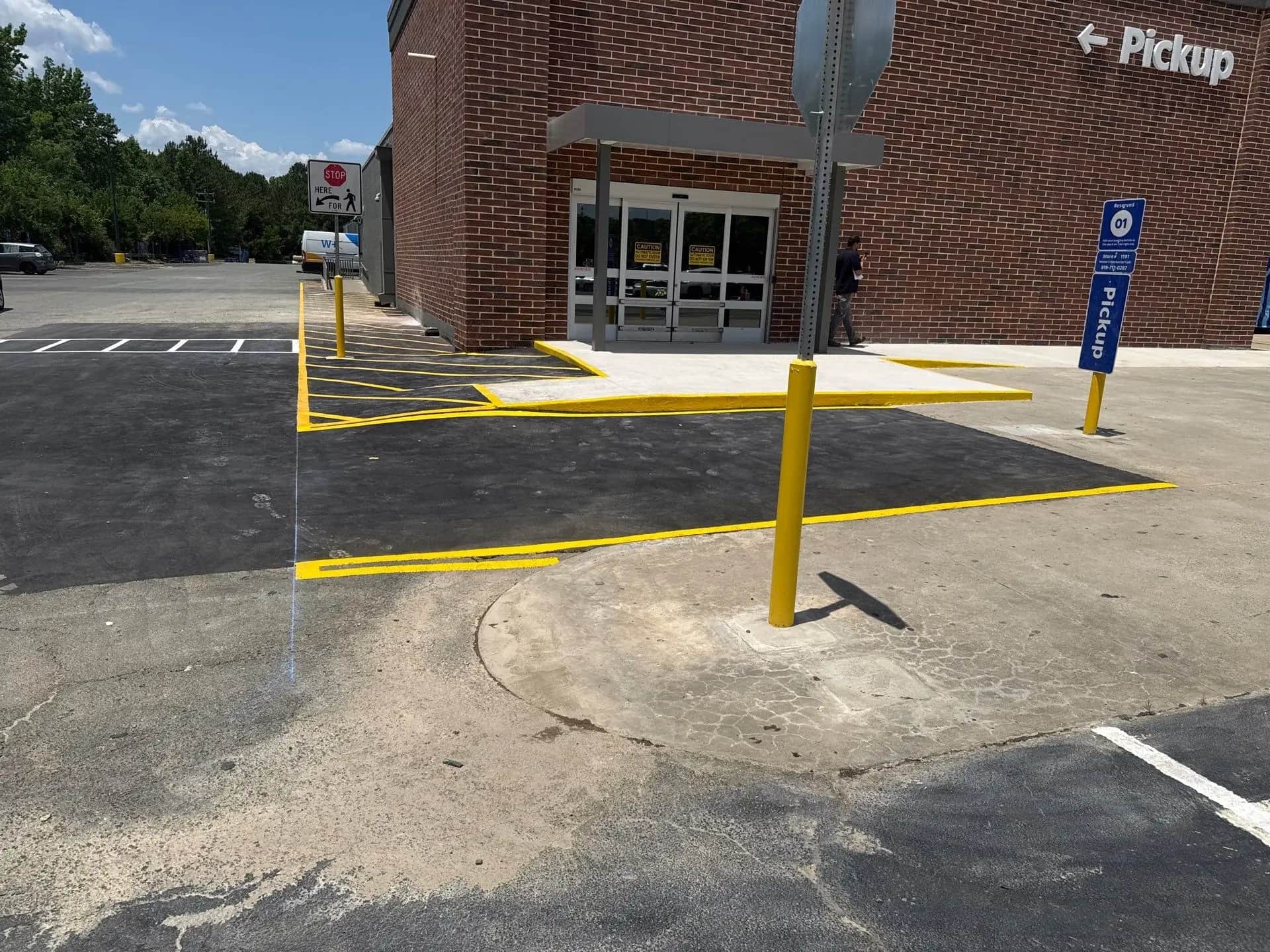
Commercial Asphalt Patching
Targeted Asphalt Repairs Without Rebuilding the Whole Lot
Crown Paving isolates failed pavement, prepares clean repair limits, and installs durable asphalt patches that restore safer access, better drainage, and a more professional parking lot appearance.
What Is Asphalt Patching?
Asphalt patching is a targeted repair process used to fix localized areas of distress on asphalt surfaces. This involves removing the damaged section, applying a tack coat for adhesion, and placing new asphalt. Patching is ideal for addressing potholes, cracks, and surface imperfections.
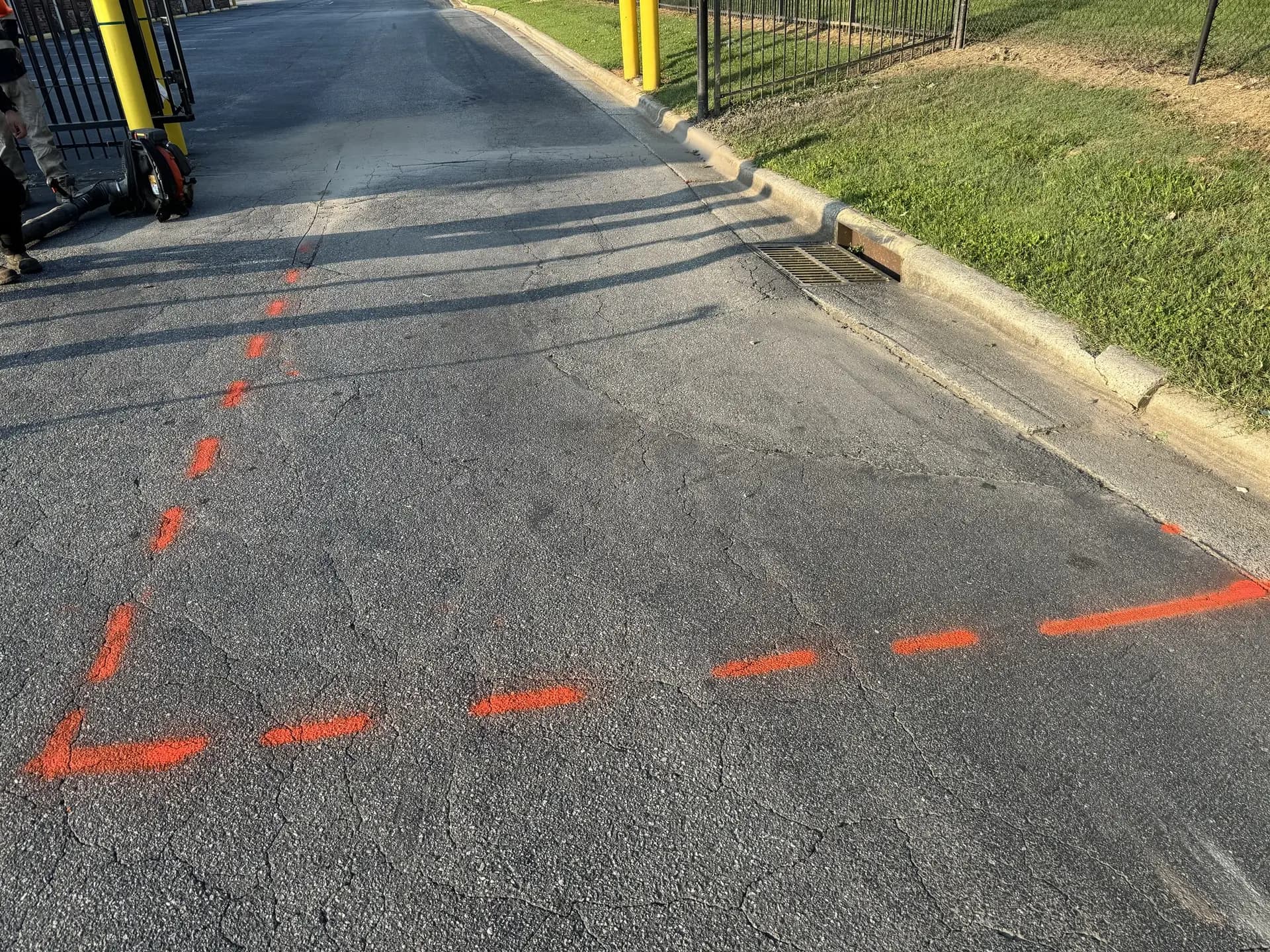
When Should You Do Asphalt Patching?
You should patch asphalt when specific areas of your parking lot or roadway show localized damage, such as potholes, alligator cracking, depressions, trip hazards, or ponding water, while the surrounding pavement is still in sound condition.
Why Should You Do Asphalt Patching?
Asphalt patching helps repair localized damage, prevent further deterioration, improve safety by eliminating hazardous potholes and depressions, and maintain the overall appearance and functionality of the pavement.
Why Choose Crown Paving for Asphalt Patching?
Equipment Standards
Crown Paving patches with high-power backpack and walk-behind blowers, sweeper attachments and an excavator in its own fleet, so the repair limits are clean and square before any tack coat goes down. We employ high power backpack and walk behind blowers as well as sweeper attachments to ensure surfaces are clean and debris-free. Crown Paving maintains an excavator in the fleet for efficient and clean removal of existing asphalt. Our tack coat application is meticulously performed to ensure the newly patched area adheres perfectly to the existing surface, guaranteeing high-quality results.
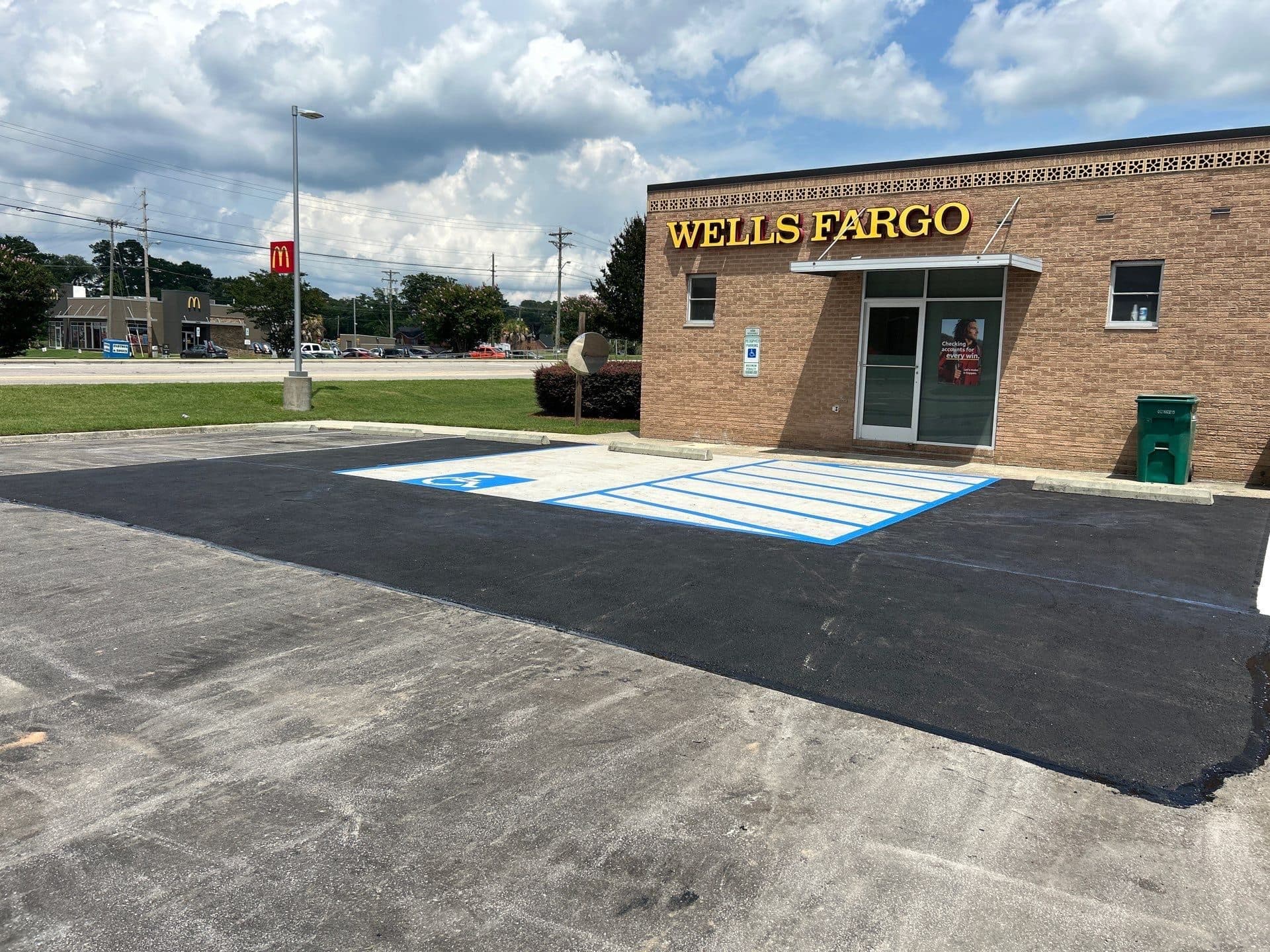
Material Standards
All materials used for patching by Crown Paving meet the stringent DOT specifications for durability, rutting resistance, and performance under various traffic and environmental conditions, ensuring long-lasting repairs.
Inspection Standards
Once the asphalt has been removed to the subgrade, Crown Paving conducts rigorous inspection and testing of exposed subgrade to ensure that any hidden issues are brought to your attention and remedied prior to the placement of new asphalt. This commitment to long term results avoids patching the same areas numerous times.
When Is Patching the Wrong Repair?
When the damage is no longer isolated. If cracks cover more than 30% of the surface, potholes keep reforming in different places, or the pavement is rough and uneven across large sections, patching only buys time. Opting for patching when resurfacing is truly needed often leads to premature failure of the new surface and wasted budget, and a lot that needs frequent patching accumulates costs beyond what resurfacing would have cost once. See Patching vs. Resurfacing.
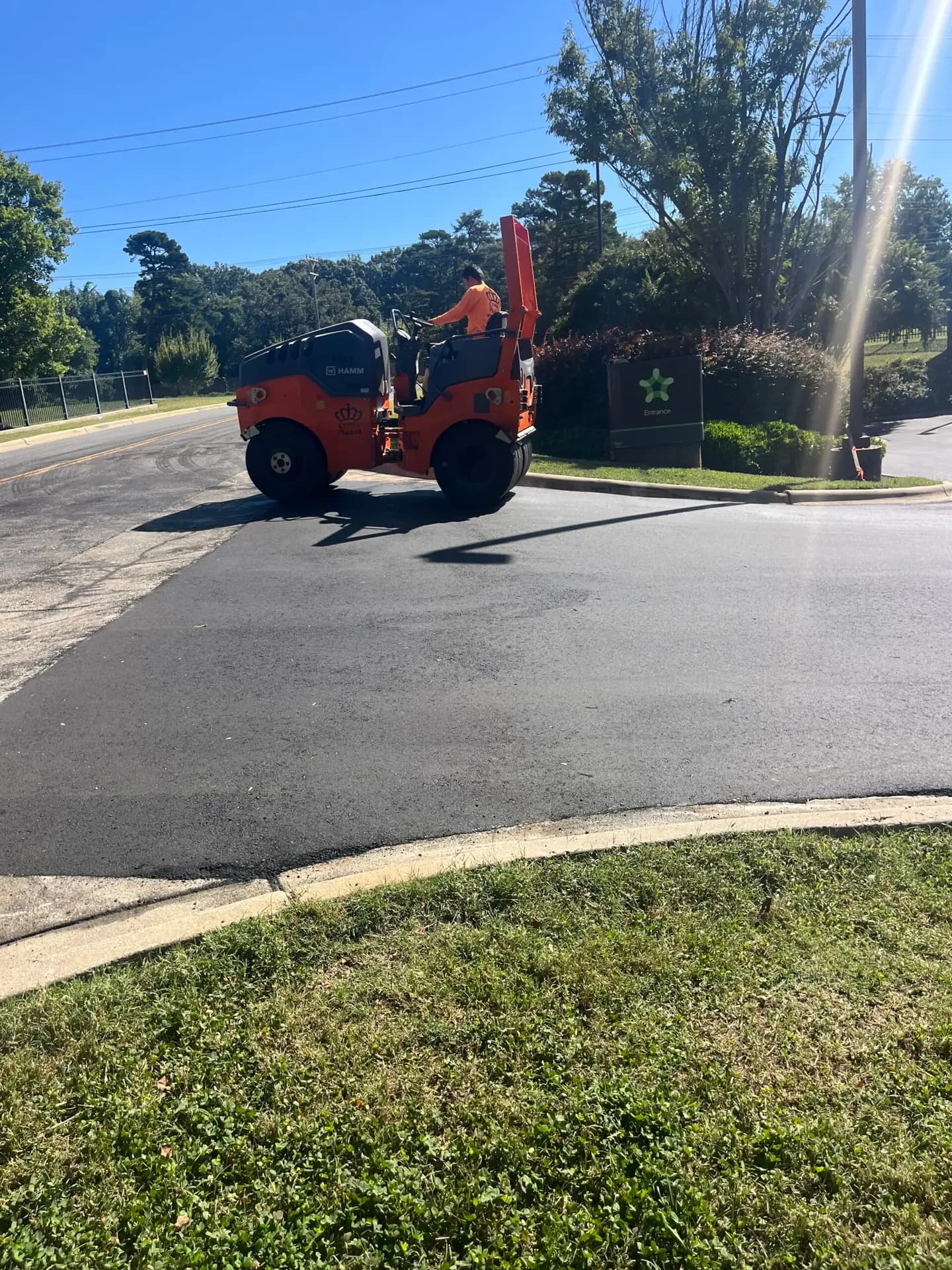
What Causes Potholes in a Parking Lot?
Water. Rain and snow penetrate unprotected asphalt through small fissures, undermine the foundational layers, and cause the erosion and voids that collapse into potholes and alligator cracking. Where freeze-thaw cycles occur, trapped water expands as it freezes, widening the crack that let it in and accelerating the whole process. That is why crack filling is a structural repair rather than a cosmetic one. More on the mechanism: Understanding Asphalt Vulnerability.
Is Pothole Repair a Capital Expense or an Operating Expense?
Generally an operating expense. Pothole filling and minor patching restore the surface to its original condition without significantly extending the useful life of the lot, which is the line the IRS tangible property regulations draw. Base reconstruction or a full mill and overlay usually falls the other way. Details in Understanding Commercial Parking Lot Expenses, and confirm the treatment with your own tax advisor.
Ready to Start Your Project?
Request an estimate and tell us about your property, pavement condition, schedule, and bid documents.
Request an Estimate